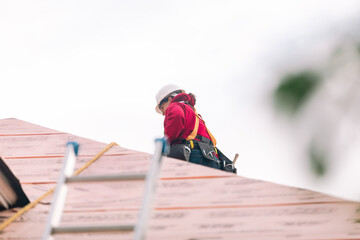
Roofing is one of the most important components of any building structure, providing essential protection against weather, environmental conditions, and external damage. A well-constructed and properly maintained roof safeguards the interior of a property from rain, heat, wind, and debris while also contributing to energy efficiency and overall structural integrity. Without a strong roofing system, even the most well-built home becomes vulnerable to water damage, insulation issues, and costly repairs.
Modern roofing systems are designed using a variety of materials and techniques to meet different environmental conditions and architectural styles. However, regardless of the material used, regular maintenance and timely repairs are essential to ensure long-term durability. Roofing services cover everything from installation and inspection to repair and replacement, helping property owners maintain safe and reliable structures.
Why Roofing Maintenance Is Essential for Property Protection
Roofing maintenance is crucial because the roof serves as the first line of defense against external elements. Over time, exposure to sunlight, rain, wind, and temperature fluctuations can cause wear and tear. Small issues such as cracked shingles or minor leaks can quickly escalate into major structural problems if left unaddressed.
Regular roofing maintenance helps detect these issues early, preventing water intrusion and structural deterioration. It also improves energy efficiency by ensuring proper insulation and ventilation, which helps regulate indoor temperatures and reduce utility costs.
Another important reason for roofing maintenance is safety. A damaged roof can lead to falling debris, mold growth, and weakened structural components. Routine inspections and repairs help ensure that the roof remains stable and secure throughout its lifespan.
Common Roofing Services and Solutions
Professional roofing services include a wide range of solutions designed to maintain, repair, and improve roof systems. These services address both minor issues and major structural concerns, ensuring long-term protection and performance.
Common roofing services include:
- Roof installation for new construction projects
- Roof inspections and condition assessments
- Leak detection and waterproofing repairs
- Shingle replacement and surface restoration
- Gutter cleaning and drainage maintenance
- Roof insulation and ventilation improvements
- Full roof replacement when necessary
Each of these services plays a critical role in maintaining the durability and functionality of the roofing system.
Importance of Regular Roof Inspections
Roof inspections are an essential part of preventative maintenance. Many roofing issues are not immediately visible from the ground, making professional inspections necessary to identify hidden damage. Regular inspections help detect early signs of wear, allowing property owners to address problems before they worsen.
During inspections, roofing professionals evaluate the condition of shingles, flashing, gutters, and underlying structures. They also check for signs of water damage, mold growth, or structural weakening.
Key benefits of roof inspections include:
- Early detection of leaks and damage
- Prevention of costly structural repairs
- Improved roof lifespan and performance
- Enhanced safety for occupants
- Better energy efficiency and insulation
Routine inspections are especially important after severe weather events, as storms can cause hidden damage that may not be immediately noticeable.
Roof Repair and Leak Prevention
Roof repairs are one of the most common roofing services required by property owners. Leaks, broken shingles, and damaged flashing can compromise the integrity of the entire structure if not addressed promptly. Water infiltration can lead to interior damage, mold growth, and weakened building materials.
Professional roof repair services focus on identifying the source of the problem and applying targeted solutions to restore the roof’s protective function. Depending on the severity of the issue, repairs may involve replacing damaged materials or sealing vulnerable areas.
Common roof repair tasks include:
- Fixing leaks and water intrusion points
- Replacing missing or damaged shingles
- Repairing flashing around vents and chimneys
- Sealing cracks and weak joints
- Reinforcing weakened roof sections
Timely repairs help prevent small issues from turning into expensive structural damage.
Roof Installation and Material Selection
Roof installation is a critical process that requires careful planning and material selection. The type of roofing material used can significantly impact durability, energy efficiency, and maintenance requirements. Different materials offer different advantages depending on climate conditions and architectural design.
Professional roofing installation ensures that materials are properly fitted and secured to provide maximum protection and longevity. Proper installation also helps prevent future issues such as leaks, sagging, or premature deterioration.
Common roofing materials include:
- Asphalt-based shingles for affordability and versatility
- Metal roofing for durability and energy efficiency
- Tile roofing for long-lasting performance and aesthetics
- Flat roofing systems for modern architectural designs
- Composite materials for enhanced strength and flexibility
Choosing the right material is essential for achieving long-term roofing performance and cost efficiency.
Roof Ventilation and Insulation
Proper ventilation and insulation are key components of a well-functioning roofing system. Without adequate airflow, heat and moisture can become trapped in the attic or roof space, leading to structural damage and increased energy costs.
Ventilation helps regulate temperature and moisture levels, while insulation improves energy efficiency by reducing heat transfer between the interior and exterior of the building. Together, these systems contribute to a more comfortable and energy-efficient environment.
Benefits of proper roof ventilation and insulation include:
- Reduced energy consumption and utility costs
- Prevention of moisture buildup and mold growth
- Extended roof lifespan and material durability
- Improved indoor comfort and temperature control
- Protection against ice dam formation in colder conditions
Maintaining proper airflow and insulation is essential for long-term roofing performance.
Gutter Systems and Water Drainage
Gutters play a vital role in roofing systems by directing rainwater away from the structure. Without proper drainage, water can accumulate on the roof or around the foundation, leading to structural damage and erosion.
Regular gutter maintenance ensures that water flows efficiently and prevents blockages caused by leaves, debris, or dirt. Clean and functional gutters protect both the roof and the overall property structure.
Important gutter maintenance practices include:
- Regular cleaning to remove debris buildup
- Checking for leaks or sagging sections
- Ensuring proper alignment and water flow
- Installing gutter guards for added protection
- Inspecting downspouts for blockages
Proper drainage systems are essential for preventing water-related roofing issues.
Roof Replacement and Long-Term Planning
Eventually, all roofing systems reach the end of their lifespan and require replacement. Roof replacement is necessary when repairs are no longer sufficient to maintain structural integrity or when materials have significantly deteriorated.
Replacing a roof provides an opportunity to upgrade materials, improve energy efficiency, and enhance overall property value. Professional assessment helps determine the best time for replacement and ensures that the process is carried out efficiently.
Signs that roof replacement may be needed include:
- Frequent or widespread leaks
- Severe shingle deterioration or loss
- Visible sagging or structural weakness
- Age beyond expected material lifespan
- Rising repair costs over time
Proper planning ensures that roof replacement is done before major structural damage occurs.
Final Thoughts on Roofing Services
Roofing is a fundamental aspect of property protection, playing a critical role in safety, comfort, and energy efficiency. Regular maintenance, timely repairs, and professional inspections are essential for ensuring long-term performance and preventing costly damage.
From installation and ventilation to drainage and replacement, every aspect of roofing contributes to the overall health of a building. By investing in proper roofing services and maintenance, property owners can protect their structures, extend roof lifespan, and maintain a safe and secure living environment.